
Goodhope Overview
Goodhope is committed to implement responsible and sustainable practices for the production, sourcing and use of vegetable oils.
To achieve this, we adopt a holistic approach, integrating the overarching aspects of sustainability across our business activities.
Key Focus Areas
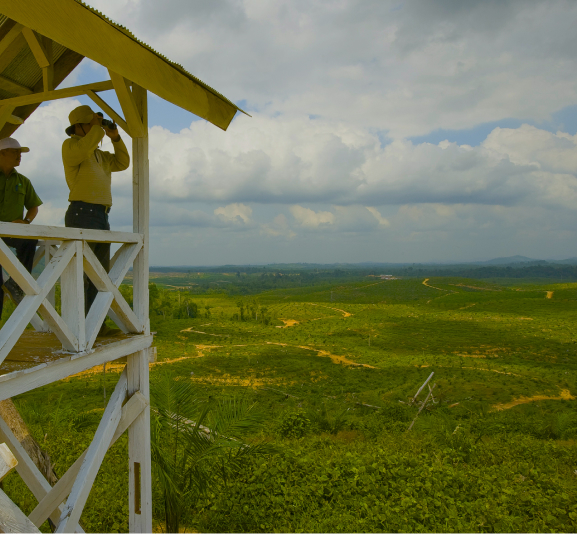
Responsible Sourcing & Traceability

Sustainable Environmental Ecosystems

Positive Impacts on Local Communities
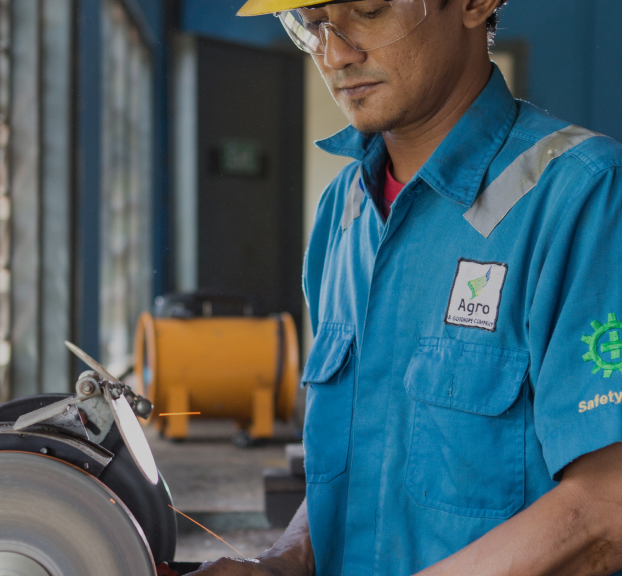
Safe and Healthy Workplace and Workforce
Sustainability Journey
- Withdrawal of all RSPO certificates in May 2016 and subsequently received own RSPO membership in Dec 2016
- Audited 16 complexes and certified eight complexes to RSPO certifications in 2017
- Rolled out the Group Sustainability Policy (GSP)
- Signed a Memorandum of Understanding (MoU) with SUHAKAM to improve FGV’s SCHR practices
- Organised the 1sl Labour Issues Workshop on Oil Palm Plantations
- Executed the Social Compliance and Human Rights (SCHR) Action Plan
- Withdrawal of all RSPO certificates in May 2016 and subsequently received own RSPO membership in Dec 2016
- Audited 16 complexes and certified eight complexes to RSPO certifications in 2017
- Rolled out the Group Sustainability Policy (GSP)
- Withdrawal of all RSPO certificates in May 2016 and subsequently received own RSPO membership in Dec 2016
- Audited 16 complexes and certified eight complexes to RSPO certifications in 2017
- Rolled out the Group Sustainability Policy (GSP)
- Withdrawal of all RSPO certificates in May 2016 and subsequently received own RSPO membership in Dec 2016
- Audited 16 complexes and certified eight complexes to RSPO certifications in 2017
- Rolled out the Group Sustainability Policy (GSP)
- Withdrawal of all RSPO certificates in May 2016 and subsequently received own RSPO membership in Dec 2016
- Audited 16 complexes and certified eight complexes to RSPO certifications in 2017
- Rolled out the Group Sustainability Policy (GSP)

Lorem ipsum dolor sit amet

Standards and Certifications

Governance

Capacity Building

Collaboration and Memberships

Contributions to UN SDGs
Standards and Certifications
Our actions are guided by international Principles and Standards including those by the Roundtable on Sustainable Palm Oil (RSPO); ISO; UN Principles; ILO Standards; High Carbon Stock Approach (HCSA) and High Conservation Value Resource Network (HCVRN). Adopting such frameworks, we develop and implement our policies incorporating no deforestation, no peat and no human exploitation (NDPE) commitments.
RSPO
Lorem ipsum dolor sit amet, consectetur adipiscing elit. Aliquet eget et faucibus viverra. In sit eget risus sociis sed. Rhoncus consectetur mauris phasellus erat duis eu interdum. Nisl, suscipit diam vulputate tellus dignissim felis proin. Mattis ac, mauris facilisi interdum risus sollicitudin viverra. Imperdiet viverra mattis urna dapibus etiam. Mauris facilisis donec nisl, quam eget adipiscing amet. Pretium quam nam netus facilisis. Amet mi auctor facilisis tempor, vestibulum ligula nulla rutrum et.
ISPO
Lorem ipsum dolor sit amet, consectetur adipiscing elit. Aliquet eget et faucibus viverra. In sit eget risus sociis sed. Rhoncus consectetur mauris phasellus erat duis eu interdum. Nisl, suscipit diam vulputate tellus dignissim felis proin. Mattis ac, mauris facilisi interdum risus sollicitudin viverra. Imperdiet viverra mattis urna dapibus etiam. Mauris facilisis donec nisl, quam eget adipiscing amet. Pretium quam nam netus facilisis. Amet mi auctor facilisis tempor, vestibulum ligula nulla rutrum et.
ISCC
Lorem ipsum dolor sit amet, consectetur adipiscing elit. Aliquet eget et faucibus viverra. In sit eget risus sociis sed. Rhoncus consectetur mauris phasellus erat duis eu interdum. Nisl, suscipit diam vulputate tellus dignissim felis proin. Mattis ac, mauris facilisi interdum risus sollicitudin viverra. Imperdiet viverra mattis urna dapibus etiam. Mauris facilisis donec nisl, quam eget adipiscing amet. Pretium quam nam netus facilisis. Amet mi auctor facilisis tempor, vestibulum ligula nulla rutrum et.
Governance
Sustainability at Goodhope is overseen by the Board. It is managed by Group Head of Sustainability who regularly updates Goodhope’s Executive Committee on sustainability issues.
Capacity Building
We invest heavily in capacity building to disseminate information and provide learning opportunities on issues that are important to enhance policy implementation and compliance with standards. The Goodhope Academy for Management Excellence (GAME) is an established Training Centre that provides learning opportunities for employees, local communities, neighboring companies and other stakeholders. A wide range of training topics provide learning opportunities that build skills and knowledge to help strengthen sustainability management, e.g. topics on Occupational and Environmental Health and Safety, Certification Standards, Human Rights, Social Requirements, Agronomy, Local Laws and Regulations, Conservation and more.
Collaborations and Memberships
ISCC
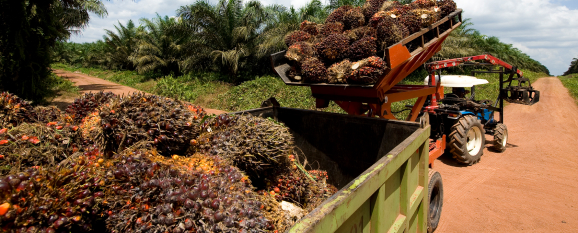
Goodhope is an active member of the RSPO and engages in dialogues and collaborations with multiple stakeholders to help promote sustainable development of the palm oil sector in a more impactful manner. We support landscape and jurisdictional approaches and embrace collaborative programs that seek to address key social and environmental challenges and promote the implementation of improved practices.
IDH
Goodhope is an active member of the RSPO and engages in dialogues and collaborations with multiple stakeholders to help promote sustainable development of the palm oil sector in a more impactful manner. We support landscape and jurisdictional approaches and embrace collaborative programs that seek to address key social and environmental challenges and promote the implementation of improved practices.
DAEMETER
Goodhope is an active member of the RSPO and engages in dialogues and collaborations with multiple stakeholders to help promote sustainable development of the palm oil sector in a more impactful manner. We support landscape and jurisdictional approaches and embrace collaborative programs that seek to address key social and environmental challenges and promote the implementation of improved practices.
TROPENBOS
Goodhope is an active member of the RSPO and engages in dialogues and collaborations with multiple stakeholders to help promote sustainable development of the palm oil sector in a more impactful manner. We support landscape and jurisdictional approaches and embrace collaborative programs that seek to address key social and environmental challenges and promote the implementation of improved practices.
PILI
Goodhope is an active member of the RSPO and engages in dialogues and collaborations with multiple stakeholders to help promote sustainable development of the palm oil sector in a more impactful manner. We support landscape and jurisdictional approaches and embrace collaborative programs that seek to address key social and environmental challenges and promote the implementation of improved practices.
ATA MARIE
Goodhope is an active member of the RSPO and engages in dialogues and collaborations with multiple stakeholders to help promote sustainable development of the palm oil sector in a more impactful manner. We support landscape and jurisdictional approaches and embrace collaborative programs that seek to address key social and environmental challenges and promote the implementation of improved practices.
Contributions to UN SDGs
We invest heavily in capacity building to disseminate information and provide learning opportunities on issues that are important to enhance policy implementation and compliance with standards. The Goodhope Academy for Management Excellence (GAME) is an established Training Centre that provides learning opportunities for employees, local communities, neighboring companies and other stakeholders. A wide range of training topics provide learning opportunities that build skills and knowledge to help strengthen sustainability management, e.g. topics on Occupational and Environmental Health and Safety, Certification Standards, Human Rights, Social Requirements, Agronomy, Local Laws and Regulations, Conservation and more.


Community Engagement and Investment
We have a responsibility to engage with local communities, respect their rights, and identify and protect the resources that are important to them. Through our community engagement programs we provide opportunities to enhance sustainable social and economic development and support the welfare of local communities.
Individuals, families, and groups from villages around the areas in which we operate benefit from company investment in community infrastructure, health, education and livelihood programs. We make every effort to ensure that our programs promote equal opportunities and participation.
Land Tenure Rights and FPIC
Protection of Community Resources
Food Security
Infrastructure
Health
Education
Livelihood Opportunities
Land Tenure Rights and FPIC
We respect the rights of indigenous peoples and local communities to give or withhold their Free, Prior, and Informed Consent (FPIC) to land-use plans for development or conservation. Fair, transparent, and participatory community engagement approaches are conducted in accordance with FPIC principles. We are committed to:
- Conduct assessments to identify indigenous communities, their rights and their perceptions of plans for oil palm plantation development.
- Provide accurate and factual data and information to allow stakeholders to make objective decisions and to avoid any misleading matters.
- Engage with local communities to determine their wants and needs and consider their aspirations.
- Document and monitor the process of negotiating and building agreements to help to timely and appropriately address any emerging problems and concerns.
- Provide appropriate and adequate training for employees involved in community engagement.
Protection of Community Resources
We respect the rights of indigenous peoples and local communities to give or withhold their Free, Prior, and Informed Consent (FPIC) to land-use plans for development or conservation. Fair, transparent, and participatory community engagement approaches are conducted in accordance with FPIC principles. We are committed to:
- Conduct assessments to identify indigenous communities, their rights and their perceptions of plans for oil palm plantation development.
- Provide accurate and factual data and information to allow stakeholders to make objective decisions and to avoid any misleading matters.
- PEngage with local communities to determine their wants and needs and consider their aspirations.
- PDocument and monitor the process of negotiating and building agreements to help to timely and appropriately address any emerging problems and concerns.
- PProvide appropriate and adequate training for employees involved in community engagement.
Food Security
We respect the rights of indigenous peoples and local communities to give or withhold their Free, Prior, and Informed Consent (FPIC) to land-use plans for development or conservation. Fair, transparent, and participatory community engagement approaches are conducted in accordance with FPIC principles. We are committed to:
- Conduct assessments to identify indigenous communities, their rights and their perceptions of plans for oil palm plantation development.
- Provide accurate and factual data and information to allow stakeholders to make objective decisions and to avoid any misleading matters.
- PEngage with local communities to determine their wants and needs and consider their aspirations.
- PDocument and monitor the process of negotiating and building agreements to help to timely and appropriately address any emerging problems and concerns.
- PProvide appropriate and adequate training for employees involved in community engagement.
Infrastructure
We respect the rights of indigenous peoples and local communities to give or withhold their Free, Prior, and Informed Consent (FPIC) to land-use plans for development or conservation. Fair, transparent, and participatory community engagement approaches are conducted in accordance with FPIC principles. We are committed to:
- Conduct assessments to identify indigenous communities, their rights and their perceptions of plans for oil palm plantation development.
- Provide accurate and factual data and information to allow stakeholders to make objective decisions and to avoid any misleading matters.
- PEngage with local communities to determine their wants and needs and consider their aspirations.
- PDocument and monitor the process of negotiating and building agreements to help to timely and appropriately address any emerging problems and concerns.
- PProvide appropriate and adequate training for employees involved in community engagement.
Health
We respect the rights of indigenous peoples and local communities to give or withhold their Free, Prior, and Informed Consent (FPIC) to land-use plans for development or conservation. Fair, transparent, and participatory community engagement approaches are conducted in accordance with FPIC principles. We are committed to:
- Conduct assessments to identify indigenous communities, their rights and their perceptions of plans for oil palm plantation development.
- Provide accurate and factual data and information to allow stakeholders to make objective decisions and to avoid any misleading matters.
- PEngage with local communities to determine their wants and needs and consider their aspirations.
- PDocument and monitor the process of negotiating and building agreements to help to timely and appropriately address any emerging problems and concerns.
- PProvide appropriate and adequate training for employees involved in community engagement.
Education
We respect the rights of indigenous peoples and local communities to give or withhold their Free, Prior, and Informed Consent (FPIC) to land-use plans for development or conservation. Fair, transparent, and participatory community engagement approaches are conducted in accordance with FPIC principles. We are committed to:
- Conduct assessments to identify indigenous communities, their rights and their perceptions of plans for oil palm plantation development.
- Provide accurate and factual data and information to allow stakeholders to make objective decisions and to avoid any misleading matters.
- PEngage with local communities to determine their wants and needs and consider their aspirations.
- PDocument and monitor the process of negotiating and building agreements to help to timely and appropriately address any emerging problems and concerns.
- PProvide appropriate and adequate training for employees involved in community engagement.
Livelihood
We respect the rights of indigenous peoples and local communities to give or withhold their Free, Prior, and Informed Consent (FPIC) to land-use plans for development or conservation. Fair, transparent, and participatory community engagement approaches are conducted in accordance with FPIC principles. We are committed to:
- Conduct assessments to identify indigenous communities, their rights and their perceptions of plans for oil palm plantation development.
- Provide accurate and factual data and information to allow stakeholders to make objective decisions and to avoid any misleading matters.
- PEngage with local communities to determine their wants and needs and consider their aspirations.
- PDocument and monitor the process of negotiating and building agreements to help to timely and appropriately address any emerging problems and concerns.
- PProvide appropriate and adequate training for employees involved in community engagement.

Employee Rights and Well-being
Our people play a fundamental role in leading change and come from a diverse range of countries, cultures and ethnicities. Their health, safety and wellbeing is our utmost priority.
Management practices are conducted in line with international and local laws, statutory conditions and international standards and criteria including the International Labour Organization (ILO) Declaration on Fundamental Principles and Rights at Work and the ILO Fundamental Conventions; the Universal Declaration of Human Rights; the UN Guiding Principles on Business and Human Rights and the UN Convention on the Rights of Children.
Working conditions are monitored and assessed on a continuous basis and we are committed to taking meaningful corrective action to address any identified issues and improve labor practices to better support the welfare and wellbeing of employees and their families.
We engage our employees in open and honest dialogues and value their contributions in generating ideas and solutions through involvement and participation.
Recruitment Processes
Health & Safety
Facilities & Services
Worker Representation
Wages
Learning & Development
Employee Grievance Mechanism
Recruitment Processes
Employment opportunities are offered purely on merit, irrespective of gender, ethnicity, national origin, religion, political affiliation, union membership, age, social background, disability, sexual orientation or any other personal characteristics. Workers are selected for employment based on their ability to fulfil the respective roles and responsibilities. Individuals are selected through a structured recruitment process, which is focused on evaluating skills, competencies and alignment to the organization culture.
We are against child labor and have implemented a minimum age policy requiring that all workers meet the minimum age of 18 years old at the time of recruitment. The Group does not employ staff who are below 18 years of age keeping in line with the international labor laws and regulations. We extend this commitment to all business vendors with whom we work as a standard clause in all contracts.
Employment Contracts
Working conditions and employment benefits are detailed in written contracts provided to employees. The conditions meet the requirements of national and local laws and standards on working hours, minimum wage, overtime and annual leave.
Health & Safety
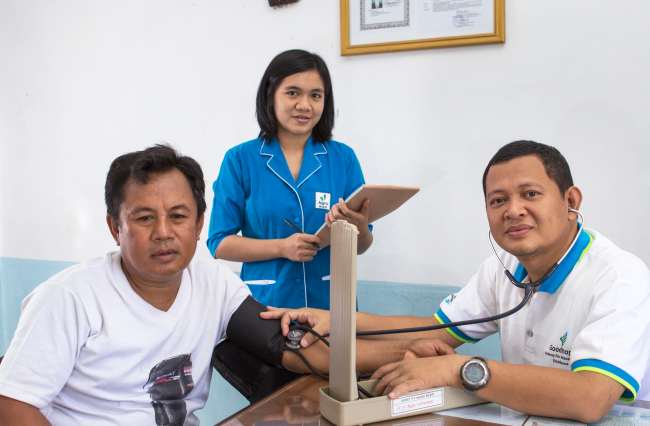
Maintaining safe working environments at the sites in which we operate is a top priority. Relevant procedures and action plans are developed based on the outcomes of health and safety risk assessments with the aim to reduce and prevent hazards and risks.
Our operational activities are run in compliance with national health and safety laws and International Standards in Environmental and Occupational Health and Safety Management Systems.
- Conduct assessments to identify indigenous communities, their rights and their perceptions of plans for oil palm plantation development.
- Provide accurate and factual data and information to allow stakeholders to make objective decisions and to avoid any misleading matters.
- Engage with local communities to determine their wants and needs and consider their aspirations.
- Document and monitor the process of negotiating and building agreements to help to timely and appropriately address any emerging problems and concerns.
- Provide appropriate and adequate training for employees involved in community engagement.
Guidelines and Training
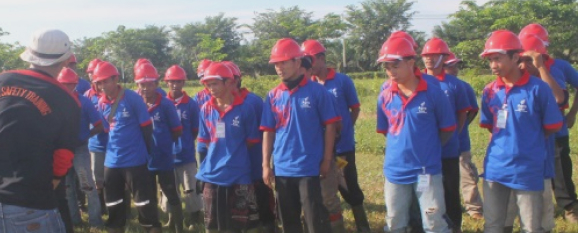
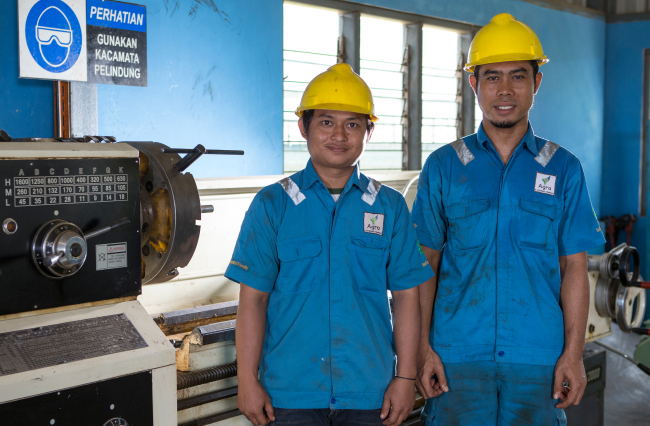
Our safety induction and training programs ensure that each individual has the necessary information and skills they need to safely carry out their tasks at work. Training programs are implemented across all our departments and operations with a central training center based at PT Agro Indomas, Central Kalimantan. Topics of training are delivered according to identified risks and needs.
Personal Protective Equipment
Our safety induction and training programs ensure that each individual has the necessary information and skills they need to safely carry out their tasks at work. Training programs are implemented across all our departments and operations with a central training center based at PT Agro Indomas, Central Kalimantan. Topics of training are delivered according to identified risks and needs.
Chemical Handling
Our safety induction and training programs ensure that each individual has the necessary information and skills they need to safely carry out their tasks at work. Training programs are implemented across all our departments and operations with a central training center based at PT Agro Indomas, Central Kalimantan. Topics of training are delivered according to identified risks and needs.
Road Safety
Our safety induction and training programs ensure that each individual has the necessary information and skills they need to safely carry out their tasks at work. Training programs are implemented across all our departments and operations with a central training center based at PT Agro Indomas, Central Kalimantan. Topics of training are delivered according to identified risks and needs.
Accident / Near Miss Hotline
Our safety induction and training programs ensure that each individual has the necessary information and skills they need to safely carry out their tasks at work. Training programs are implemented across all our departments and operations with a central training center based at PT Agro Indomas, Central Kalimantan. Topics of training are delivered according to identified risks and needs.
Protecting the health of our workforce during the COVID-19 PandemicGuidelines and Training
Our safety induction and training programs ensure that each individual has the necessary information and skills they need to safely carry out their tasks at work. Training programs are implemented across all our departments and operations with a central training center based at PT Agro Indomas, Central Kalimantan. Topics of training are delivered according to identified risks and needs.
Facilities & Services
For those employees living on site at our plantations, we provide facilities and amenities such as housing, education and access to medical services.
Housing
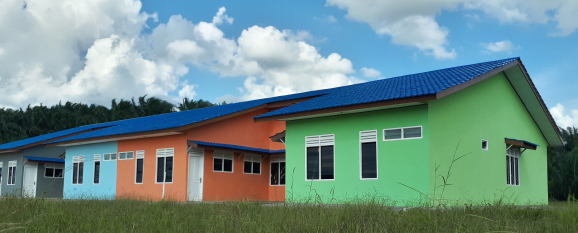
Semi-furnished housing including electricity and clean water, meeting national legislation and International Labor Organization (ILO) standards. Emplacements are required to meet the accepted standards of hygiene and sanitation by promoting good housekeeping practices, waste management, availability of clean water, and measures to control communicable diseases.
Religious Facilities
Semi-furnished housing including electricity and clean water, meeting national legislation and International Labor Organization (ILO) standards. Emplacements are required to meet the accepted standards of hygiene and sanitation by promoting good housekeeping practices, waste management, availability of clean water, and measures to control communicable diseases.
Medical Services
Semi-furnished housing including electricity and clean water, meeting national legislation and International Labor Organization (ILO) standards. Emplacements are required to meet the accepted standards of hygiene and sanitation by promoting good housekeeping practices, waste management, availability of clean water, and measures to control communicable diseases.
Schools and Day Care Centers
Semi-furnished housing including electricity and clean water, meeting national legislation and International Labor Organization (ILO) standards. Emplacements are required to meet the accepted standards of hygiene and sanitation by promoting good housekeeping practices, waste management, availability of clean water, and measures to control communicable diseases.
Recreational and Leisure Facilities
Semi-furnished housing including electricity and clean water, meeting national legislation and International Labor Organization (ILO) standards. Emplacements are required to meet the accepted standards of hygiene and sanitation by promoting good housekeeping practices, waste management, availability of clean water, and measures to control communicable diseases.
Worker Representation
Goodhope recognizes the rights of its employees to collectively bargain and to give input to management. Employees have the freedom of joining any form of association. The company does not intervene in any manner that is likely to inhibit workers from exercising their union rights. The Bipartite Communication Forum (LKS Bipartite) serves as a means of communication between Company management and employees towards achieving and maintaining a common platform for effective communication, transparency and a conducive work environment.
Wages
All employees and workers are paid at least the applicable local minimum wage prescribed by the statutory authorities. The remuneration is based on prescribed salary scales, taking into account various factors such as responsibilities, scope, skills and experience required to perform the role, span of control, criticality of the role, location etc. The scales are reviewed on a periodic basis to ensure parity with the market standards. All employees and workers are paid equally based on the nature of their work.
With the goal of providing a fair and decent living wage for all employees, we are committed to ensure that remuneration is sufficient for the worker and his/her family to afford a basic but decent lifestyle. In order to do so, we have begun to conduct living wage assessments using a credible methodology and will work towards closing any identified gaps.
Employee Grievance Mechanism
Any employee who suspects wrongdoing within the Group is strongly advised and encouraged to raise their concerns. All grievances and complaints from any of the employee are normally resolved at the immediate superior level. If the immediate superior fails to settle the grievance/complaints, it can be then addressed to the higher levels including the HR Department. If required, the settlement of the complaint can be continued at through Bipartite Cooperation Institution forums and can also be escalated to the local manpower services office or can be settled in accordance with the applicable rules and regulations.